


What is Volatility?
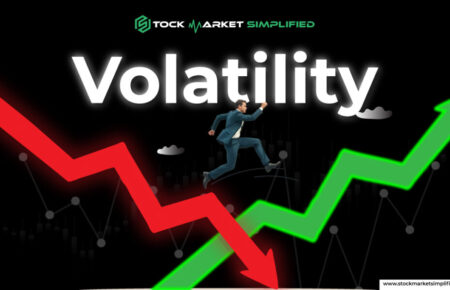
Market volatility indicates the degree to which the price of an asset varies over a duration. In simpler terms, it reflects the roughness of price changes in an unpredictable way. When;
Table Of Content
- High Volatility: As when the market is volatile, it can be said that prices undergo rapid and wide-ranging fluctuations. It shows a high degree of action, which means it is fun for quick profits, but you can also expect plenty of losses.
- Low Volatility: In contrast, when the market is less volatile, the prices are not expected to move much. This seems like a greater bet, but it does come with fewer chances of a great deal.
Why It Matters:
Volatility is a measure of risk for Investors.
- High volatility translates into high risk which in turn means the high potential for a trade to either succeed or fail.
- Low volatility translates into a lower risk and expectations towards the trade, but on the downside, low volatility trades offer lesser chances for profit.
Types of Volatility;
- Historical Volatility: Examines previous price movements.
- Implied Volatility: Forecasts movements of prices and is widely used in options trading.
- Market Volatility: Pertains to the variation of prices of the entire market or an index.
- Volatility of Volatility: Refers to the variability of volatility over time.
- Structural Volatility: Has to do with long term shifts in volatility that are brought about by major economic events.
- Sector-Specific Volatility: Is concerned with the volatility that occurs within a sector.
Causes of Volatility:
- News.
- Change of Economies.
- Investors (Greed/Fear).