

Strategic Trading: Explore Different Types of Trading
Overview Before getting into trading, you might have heard mainly two types of trading in the stock market: delivery and intraday. Pretty evident, if you have ever used any trading app, right? But...


Overview
Before getting into trading, you might have heard mainly two types of trading in the stock market: delivery and intraday. Pretty evident, if you have ever used any trading app, right? But what if we tell you there is more to it than you know.
Table Of Content
Yes! Despite these two, a trader can play their trading games in several ways. But before jumping into that, you gotta know the basic rules and limitations of this big play. Let’s explore the fundamentals of different types of stock trading – so you can choose your gameplay and design your strategy wisely.
Types of Trading
Trading is the process of buying and selling financial assets in the markets with the vision of making a profit. Millions of traders juggle in the stock world everyday, trying their luck and trading skills. Where some traders use tricks and make good profits, most traders lose their money after trading based on fluke.
If you know technical intricacies of the market and want to expand your knowledge on trading, here we have explained the major trading types, popular among the professionals:
Intraday Trading
Also popular among traders as day trading, it mainly includes buying and selling financial stuff like securities or currencies all within the one day. For day trading, an investor or trader has to be well-researched, precise, and keep a close eye on price fluctuations to make quick decisions. Often people prefer day trading to make quick money from small price swings.
Lots of folks also prefer day trading over positional or other trading methods, as it is exciting, but it’s also pretty risky. How it works; traders watch the price rise and drop during the day and enter the market at the right time to book their profit. It is highly recommended to novice traders to not trade on margin, especially at the beginning, as this increases the chances of major losses in case a trade goes against you.
Also Read: Diwali Muhurat Trading: A Blend of Tradition and Prosperity
Delivery/Position Trading
Also known as positional trading among traders, delivery trading is like a slow cooker, where you assess all the fundamental and historical data to put your money in for a long time, maybe months or years. The essence of delivery trading lies in patience and a bigger perspective. People who invest in delivery trading focus on growing their money with time. For positional trading, a trader requires technical market knowledge, patience, discipline, and risk management strategy to sustain and make profit. The perfect example of positional trading is planting a tree and watching it grow over time. It’s a pretty long process, but the outcome is fruitful, right!
Swing Trading
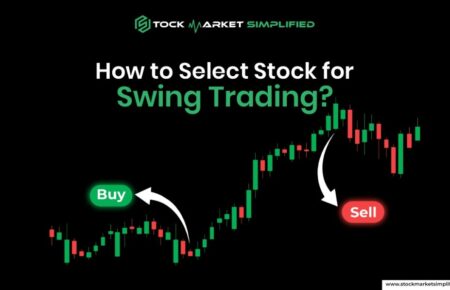
Swing trading acts like a middle ground between quick and slow. Swing traders often read the waves of price fluctuations in charts using varying durations such as 5 minutes, 15 minutes, or 30 minutes, hour or daily basis. Not considered as intense as day trading, but it still needs proper attention. Among investors or traders, swing trading is considered the most difficult type of trading as it assesses the price difference and juggles between macro time frames to get the best opportunities of entering/exiting in the market.
Unlike positional traders, swing traders don’t run away from volatility but instead treat it as a friend. The better the market volatility, the better chances of booking profit in minor price fluctuations. How it works – you look for patterns and trends that last a little longer than just a day and try to hop on board on time to make some profit. Hence, if you think you can predict accurate market fluctuations, you can explore opportunities in swing trading.
Scalping
Scalping or scalp trading is like playing a game of quick reflexes. Traders/investors make lots of small trades to make money off small price swings. Popular for its bad reputations, scalping is considered as a subset of intraday trading. In this, intraday traders often look for the perfect time to enter/exit the market, scalpers create multiple short-duration trades to enjoy the market highs. In the end, it’s all about speed and getting in and out of trades fast.
Scalping is popular among professional traders who have fast computers and algorithms to help them. They are optimistic minds who do not mind losing a few trades to win a few. Scalpers watch the price move really closely and make trades super quickly to make a profit.
Trading Techniques for Traders

Stock markets require patience, discipline, and robust risk management strategy, whether you’re an intra-day trader or long-term trader. In the diverse markets, there are various types of strategies that traders use to get the best of the opportunities. But often you’ll find that the strategy which works for you, might not work for someone else. It depends on your trading style, available resources, and lifestyle, what suits you the best.
Hence, here we have listed most popular trading techniques to give you brief ideas to help you picking what suits you best:
Algo Trading
The new elephant in the room – algo trading uses computers programs or softwares to buy and sell stocks automatically on the basis of algorithms. For example – imagine a robot that helps you trade stocks, based on set rules and guidelines, instructed by you. Dream come true!
If simplified, algo trading is like having a smart assistant who does trading for you, making it easier to manage your investment. Although the history of its first use goes back to the 1970s, the widespread uses began from late 1990s and early 2000s. The concept of algo trading may sound fancy, but it’s like putting your brain on autopilot. Although – remember, there is no machine better than the human eye. If you know what works best for you, you can DIY your rule-based trading ideas, convert them into algorithms, and there you go – your personal bot assistant of trading.
Momentum Trading
Among all the different types of trading, this is considered as one of the easiest ways of trading. As the name suggests, it includes buying stocks that are already going up (breakout or about to breakout), hoping they’ll keep going up. Momentum trading is like jumping on a moving train, hoping it will take you to your pre-set destination faster. Introduced by the father of momentum trading, Richard Driehaus, the idea focuses on buying high, selling higher, instead waiting for the underpriced stocks to re-evaluate its worth.
Technical Trading
The new talk-of-the-town, technical trading includes reviewing charts and patterns to predict future stock prices. It’s like reading the signs on the road to anticipate where you’re headed. Technical traders evaluate what can’t be hidden behind charts, and find the spots of convergence and divergence. To verify and re-validate their theories, people often complement their study with different technical theories.
Fundamental Trading
Fundamental traders are also known as fundamentalists, focuses on assessing a company’s financial health and prospects to decide whether to buy or sell its stock. It’s like inspecting a house thoroughly before deciding to make a purchase. Fundamentalists review the corporate events, financial statements, such as stock splits, earning reports, acquisitions, re-organizations to forecast the stock’s future in the market.
Selecting a trading strategy
The idea of the best trading strategy varies on the type of trader you want to become. Remember, selecting a trading strategy does not have to be complicated and one of the best traders are the ones who can adapt according to the market situation. Know about all the available strategies and approaches to pick the best as per market volatility and circumstances.
Do not let yourself down on the grounds of initial losses. Stay patient and disciplined to reach the professional level. Losses are inevitable and every loss leads you to learnings, best to keep a track of your loss and profit. Loss and profit is just the part of being a trader- you can’t control the market but you can manage your losses with a robust risk management strategy.
It’s Wrap
The idea of trading sounds tempting, but this can only lead to benefit when you know to enjoy its ups and downs. Best traders are the ones who stay patient and follow their rules while staying adaptive in the market. Know about the technical intricacies, fundamentals, and trading strategies before you begin your trading journey. If you’re a beginner, do not let initial losses dishearten you, but learn from the mistakes to be wiser.
FAQs
What is trading?
Trading is like buying or selling financial stuff to make money. For example, buying a product on online stocks and selling them later at a higher price to book the margin as your profit.
What are the types of trading?
Oh, there are a bunch of them! But in technical terms, there are mainly four types of trading – intraday, positional, swing, and scalp trading. A trader can pick the best suitable as per circumstances and their personal preferences.
How do I start trading?
To begin your trading journey, what you need is a demat account with a brokerage firm. The brokerage firms act like middlemen between traders and the stock market. Later, you add money into your account, choose the most suitable trading technique, and exchange stocks or currencies through them. It’s akin to online shopping, but for stocks.
What is the best trading strategy?
The best market strategy is always subjective – depending on the sector and personal preference of a trader. Experts recommend selecting a trading strategy based on your trading psychology, risk tolerance, availability, and available capital to invest. You can start with a small amount to practice the strategies and gradually increase the capital investment as per your experience, research, and accuracy.